
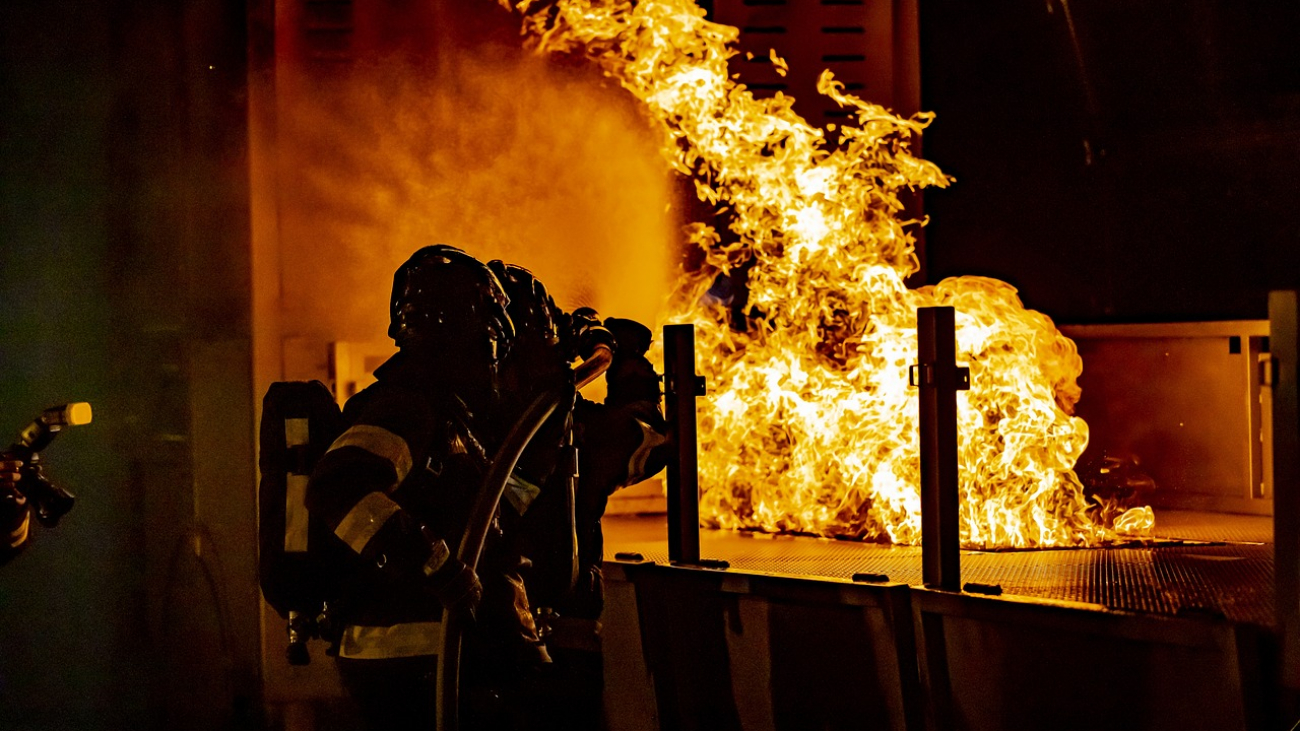
The Vital Role of Kitchen Extraction Cleaning in Fire Prevention

The Vital Role of Kitchen Extraction Cleaning in Fire Prevention

In the dynamic landscape of commercial kitchens across the UK, the significance of meticulous cleaning extends far beyond aesthetics—it is a critical component in safeguarding against the devastating consequences of fire. Nowhere is this more evident than in the maintenance of kitchen extraction systems, which serve as the first line of defense against potentially catastrophic incidents.

Understanding the Risk:

According to data from the UK Fire and Rescue Service, a considerable portion of fires in commercial kitchens originate from grease buildup within extraction systems. The accumulation of flammable residues, if left unchecked, significantly heightens the risk of ignition, leading to rapid and uncontrollable flames that can endanger lives and livelihoods alike.

The Imperative of Regular Cleaning:

The importance of regular cleaning and maintenance of kitchen extraction systems cannot be overstated. By removing grease, carbon deposits, and other combustible substances, cleaning procedures ensure unimpeded airflow and mitigate the likelihood of fire propagation within ductwork and ventilation hoods. This proactive approach not only enhances fire safety but also extends the lifespan of equipment and promotes optimal kitchen hygiene.

Statistical Insights:

Empirical evidence from UK fire incident reports underscores the critical nexus between kitchen extraction cleaning and fire prevention:

  • A study conducted by the UK Home Office found that a significant proportion of commercial kitchen fires were attributed to grease buildup in extraction systems, with incidents often resulting in substantial property damage and operational disruptions.
  • Research from the Fire Industry Association (FIA) indicates that regular cleaning and maintenance of kitchen extraction systems can reduce the incidence of fire-related emergencies by up to 50%, significantly mitigating the associated risks to personnel and property.
  • According to data compiled by leading insurance providers, establishments with documented cleaning schedules for kitchen extraction systems are demonstrably less susceptible to severe fire damage, translating into lower insurance premiums and enhanced business continuity.

Conclusion:

In the realm of commercial kitchen operations, proactive measures are paramount in averting potential disasters. By prioritizing the regular cleaning and maintenance of kitchen extraction systems, businesses not only comply with regulatory requirements but also invest in the safety and resilience of their establishments.

In the UK, where stringent fire safety standards are paramount, adherence to best practices in kitchen extraction cleaning is not merely advisable—it is imperative. Through concerted efforts to uphold cleanliness and compliance, businesses can mitigate the risk of fire-related incidents, ensuring the well-being of their staff, patrons, and the broader community. After all, in matters of fire safety, prevention is not just preferable—it is paramount.
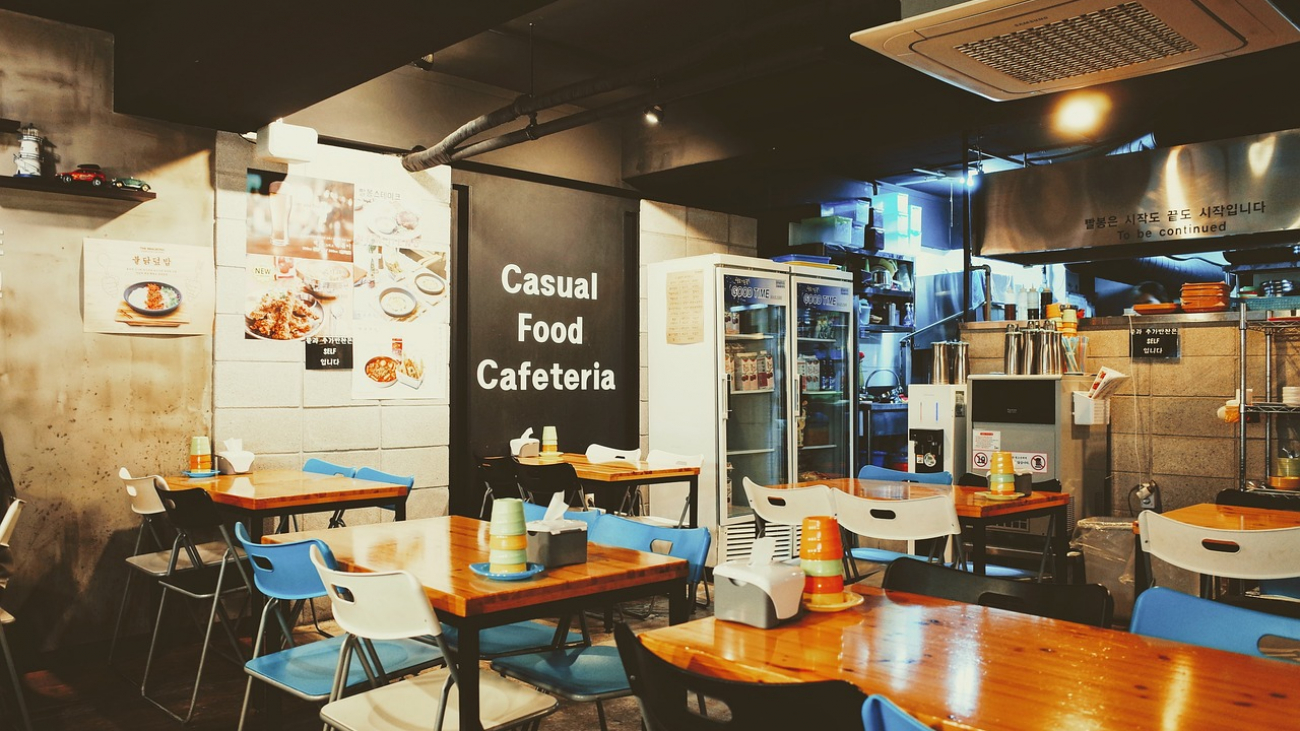

The Importance of Ventilation Cleaning in Ensuring Indoor Air Quality

The Importance of Ventilation Cleaning in Ensuring Indoor Air Quality

In the realm of building maintenance and facility management, the significance of ventilation cleaning cannot be overstated. Ventilation systems serve as the lifeblood of indoor environments, facilitating the circulation of fresh air while removing pollutants, allergens, and other airborne contaminants. However, without proper cleaning and maintenance, these systems can become breeding grounds for harmful substances, posing significant risks to health and well-being.

Why Ventilation Cleaning is Needed:

1. Indoor Air Quality (IAQ): Over time, ventilation systems accumulate dust, dirt, mold, and other debris, impairing their ability to effectively filter and circulate air. This deterioration not only compromises indoor air quality but also contributes to respiratory issues, allergies, and other health concerns among building occupants.

2. Energy Efficiency: Dirty ventilation systems are less efficient in regulating temperature and humidity levels, leading to increased energy consumption and operational costs. By maintaining clean ductwork and components, businesses can optimize the performance of their HVAC systems and reduce environmental impact.

3. Fire Safety: Accumulated debris within ventilation ducts poses a fire hazard, especially in commercial kitchens where grease buildup is common. Regular cleaning of ventilation systems is essential for mitigating this risk and ensuring compliance with fire safety regulations.

Legislation and Regulatory Requirements:

In the UK, several legislations and guidelines govern the maintenance of ventilation systems to safeguard public health and safety:

1. Health and Safety at Work Act 1974: This overarching legislation places a duty of care on employers to ensure the health, safety, and welfare of their employees, including provisions for maintaining a safe working environment with adequate ventilation.

2. Control of Substances Hazardous to Health (COSHH) Regulations 2002: COSHH regulations require employers to assess and control the risks posed by hazardous substances, including those present in ventilation systems, through measures such as regular cleaning and maintenance.

3. Heating and Ventilation Contractors’ Association (HVCA) TR19: TR19 provides industry-specific guidance on the cleaning and maintenance of ventilation systems, outlining best practices and standards to ensure optimal performance and hygiene.

Best Practices for Ventilation Cleaning:

1. Regular Inspections: Conduct routine inspections of ventilation systems to identify any signs of contamination or damage, such as mold growth, dust buildup, or unusual odors.

2. Scheduled Cleaning: Establish a regular cleaning schedule based on the specific needs and usage patterns of the ventilation system, ensuring compliance with industry standards and regulatory requirements.

3. Qualified Professionals: Engage certified ventilation cleaning professionals with the expertise and equipment to perform thorough and effective cleaning procedures, including the removal of contaminants and the disinfection of ductwork.

4. Documentation and Record-Keeping: Maintain comprehensive records of ventilation cleaning activities, including inspection reports, cleaning schedules, and certification documents, to demonstrate compliance with regulatory requirements and industry standards.

In conclusion, ventilation cleaning is not merely a matter of convenience—it is a fundamental aspect of maintaining a healthy and safe indoor environment. By adhering to legislative requirements and implementing best practices in ventilation maintenance, businesses can mitigate health risks, improve energy efficiency, and ensure compliance with regulatory standards, ultimately safeguarding the well-being of occupants and the longevity of their facilities.