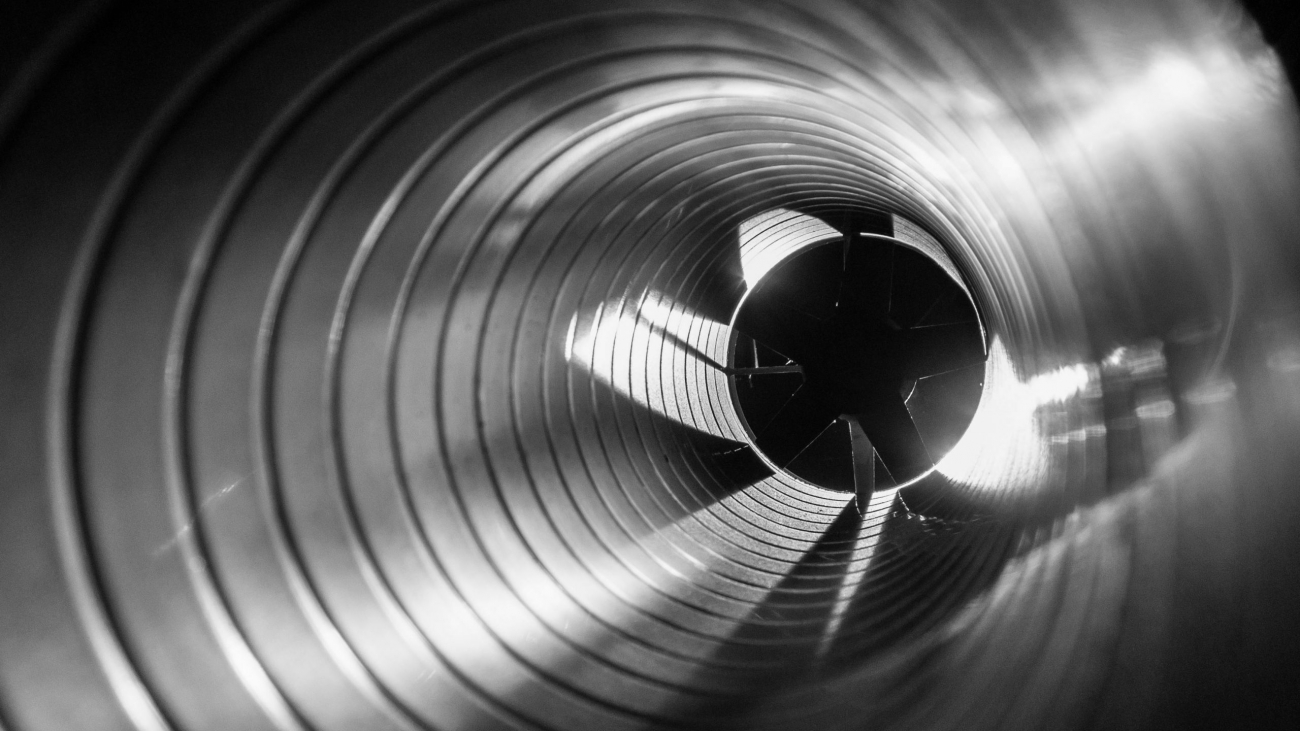
closeup view from inside the galvanized steel air duct on the exhaust fan in the background light, the front and back background is blurred with a bokeh effect

5 Common Compliance Mistakes Bristol Hospitality Venues Make with Kitchen Ventilation

Running a busy kitchen means juggling safety, hygiene, and regulations all at once. But did you know poor ventilation compliance is one of the top reasons restaurants and cafés fail surprise inspections?

For hospitality venues, overlooking your kitchen extraction or fresh air systems can lead to fire hazards, insurance headaches, or even forced closures. If you manage a pub, restaurant, or commercial kitchen, spotting these common mistakes — and knowing how to avoid them — could save you thousands.

Below, our Bristol-based ventilation cleaning specialists share the pitfalls to watch for, plus steps to keep your kitchen ventilation cleaning businesses rely on fully compliant.

Why Ventilation Compliance Matters for Commercial Kitchens

For any food venue, clean and efficient ventilation isn’t just about comfort — it’s a legal and insurance requirement.

When your kitchen ventilation isn’t maintained properly:

  • Grease and carbon build up inside ductwork, raising fire risk.

  • Poor airflow affects staff health and kitchen air quality.

  • TR19 and other hygiene standards can’t be met, putting insurance cover at risk.

In Bristol, where we are based, many hospitality buildings are older or have tight duct runs that make thorough cleaning more challenging. That’s why trusted professional kitchen ventilation cleaning is so important to stay compliant.

5 Common Kitchen Ventilation Compliance Mistakes

Here’s what we see time and time again when inspecting commercial kitchens across Bristol — plus what you can do to get ahead.

1. Relying on Surface Cleans Only

Wiping down your extractor hoods and visible surfaces is not enough. Deep grease deposits inside ductwork are hidden fire hazards. TR19 compliance requires professional cleaning of canopies, ductwork, extractor fans and filters — with access panels installed where needed.

2. Skipping Regular Cleaning Intervals

TR19 sets clear guidelines for how often you should clean your extraction system:

  • Heavy use (12–16 hours daily): Every 3 months

  • Moderate use (6–12 hours): Every 6 months

  • Light use (2–6 hours): Annually

Missing these intervals could void insurance if a fire breaks out.

3. No Certified Documentation

Insurance providers often ask for proof your system is compliant. Without certificates, before-and-after photos, or inspection reports, you have no defence if an incident occurs. Always keep your TR19 certificates up to date and filed.

4. Overlooking Fresh Air Systems

Many hospitality managers focus only on grease extraction, forgetting that fresh air systems matter too. Poor air duct hygiene means bacteria, dust and allergens can circulate — leading to health complaints and poor indoor air quality.

5. Using Unqualified Contractors

Not every cleaning company is TR19-compliant or properly accredited. Always choose a provider with industry accreditations like BESA, NAAD, and SafeContractor to ensure the job meets the right standards.

How KESC Ltd Helps Bristol Hospitality Venues Stay Compliant

At KESC Ltd, we specialise in kitchen extraction and air duct cleaning in Bristol. From small cafés to large commercial kitchens, here’s how we keep you covered:

Certified & Accredited: BESA, NAAD, CHAS, SafeContractor — our team knows TR19 inside and out.
Flexible Scheduling: We work around your operating hours, overnight or weekends, with no extra charge for emergencies.
Full Compliance Reporting: You’ll receive detailed before-and-after images, TR19 certificates, and paperwork for your insurance records.
Complete Services: From extraction cleaning and ESP maintenance to fire damper testing, we help you stay compliant from canopy to duct.

Stay Fire-Safe and Fully Compliant with Our Kitchen Ventilation Cleaning Services

Avoiding these common mistakes isn’t complicated — but it does take expert help and a clear plan. With the right team on your side, you can run your kitchen confidently knowing you meet every standard.

Ready to protect your people, your premises, and your reputation?
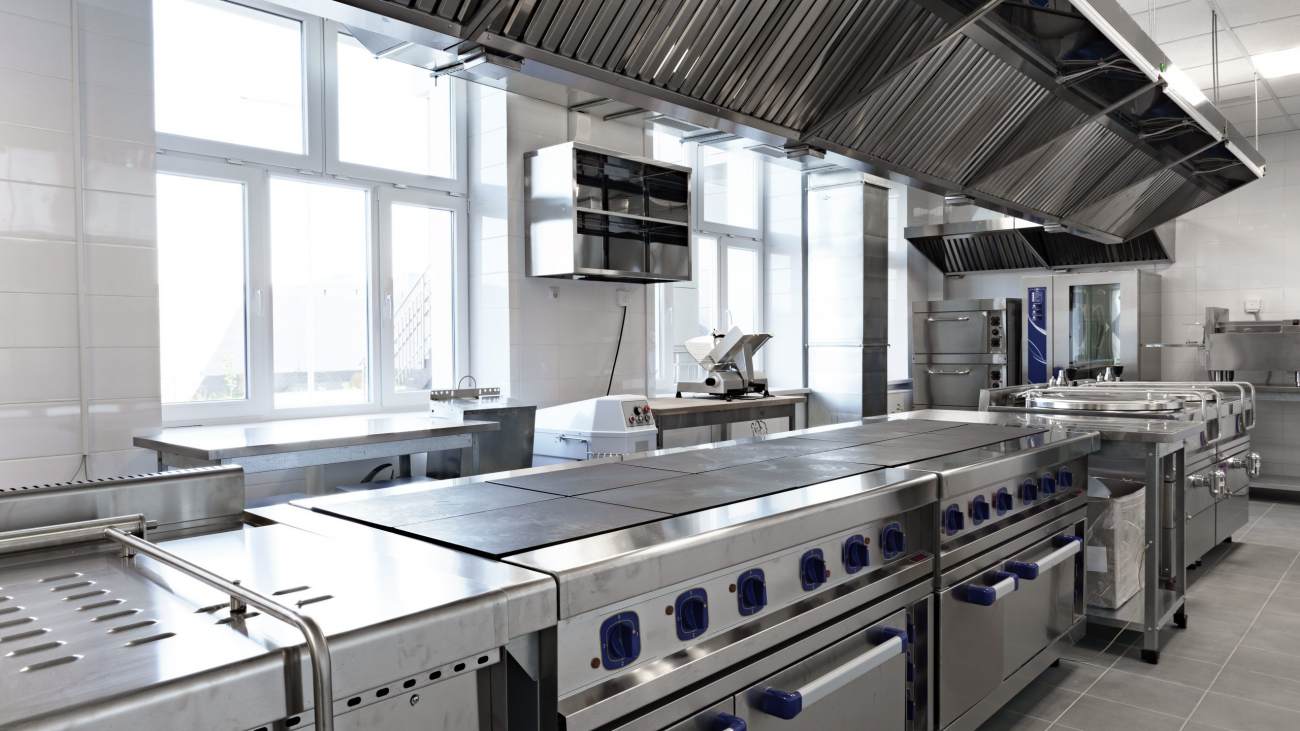
This spacious kitchen features stainless steel counters and equipment, providing a professional environment for chefs to prepare meals efficiently and effectively.

TR19 Explained: What Bristol Restaurants Need to Know About Kitchen Extraction Compliance

Grease can be your kitchen’s biggest hidden danger. In busy commercial kitchens, extraction systems quickly collect grease, dirt, and debris — which, if left unchecked, pose a major fire risk. Yet many restaurant owners don’t fully understand the rules around kitchen extraction cleaning in order to stay safe and insured. 

This guide breaks down what TR19 means, why it matters for your restaurant, and how proper cleaning keeps you compliant, protected, and operating without costly surprises.

What is TR19 Compliance? Why Does it Matter for Restaurants?

TR19 is a recognised set of industry guidelines created to standardise how commercial kitchen ductwork and extraction systems are cleaned. But it’s not just a technical detail — it directly impacts your fire safety, insurance, and reputation.

For restaurant owners in Bristol, TR19 matters because:

  • Fire Risks Are Real: It’s estimated that over 70% of fires in commercial kitchens start due to grease build-up in extraction systems.

  • Insurance Protection: Many insurers require proof that your extraction systems are TR19 compliant. Without it, a claim could be denied if a fire occurs.

  • Health & Safety Inspections: Environmental Health Officers will check that you’ve maintained your ductwork properly. Non-compliance can lead to fines, closures, or loss of business licences.

Restaurants in older or high-use buildings often have long, hidden ductwork runs — making professional kitchen extraction cleaning even more critical.

TR19 Kitchen Extraction Cleaning: A Simple Breakdown

Staying TR19 compliant isn’t complicated once you know what’s required. Here’s what every local food business should do:

1. Know How Often to Clean

TR19 sets cleaning frequencies based on how much your kitchen is used:

  • Heavy Use (12–16 hours daily): Every 3 months

  • Moderate Use (6–12 hours daily): Every 6 months

  • Light Use (2–6 hours daily): Annually

A local takeaway open until late every night will need more frequent cleans than a small café open three mornings a week.

2. Book Professional Ductwork Cleaning

Wiping visible surfaces won’t do. TR19 requires certified specialists to clean:

  • Canopies, grease filters and hoods

  • Internal ductwork and access panels

  • Extractor fans and discharge points

A professional team uses specialist equipment to reach deep into ducts, removing dangerous grease deposits. They’ll provide a TR19 certificate and detailed report for your insurance records.

3. Keep Records and Stay Ahead

Proof is everything. Keep every report, before-and-after image, and certificate in an easy-to-access file. Schedule your next clean well in advance so you’re never caught out by a surprise inspection.

Common Mistakes to Avoid

Even well-run restaurants slip up on TR19. Here are the pitfalls to dodge:

Surface Cleans Only: Only cleaning what you can see leaves hidden grease lurking in ductwork.

Unqualified Contractors: Always check that your cleaning company is BESA, NAAD, or CHAS accredited.

Missing Access Panels: If your system doesn’t have proper access points, it can’t be cleaned fully.

No Records: No certificate, no proof — and that can mean no insurance payout in a worst-case scenario.

How Our Kitchen Extraction Cleaners Can Support You

At KESC Ltd, we specialise in kitchen extraction cleaning that Bristol restaurants, cafés, schools and hotels rely on. Here’s what you get:

  • Certified Experts: Our team is BESA, NAAD, and CHAS accredited for complete peace of mind.
  • Flexible Hours: We clean overnight or out of hours to minimise disruption.
  • Full Reports: You’ll receive detailed before-and-after photos, certificates, and compliance paperwork for your records.
  • Trusted Locally: As a family-run business based here, we know the unique challenges of local kitchens and older ductwork.

Keep Your Kitchen Safe, Compliant, and Open for Business

Understanding TR19 is the first step. Acting on it protects your people, your customers, and your reputation — and ensures you won’t face nasty surprises when your next inspection or insurance renewal comes up. Get in touch with our team today for professional kitchen extraction cleaning in Bristol. 

Ready to book your certified clean?

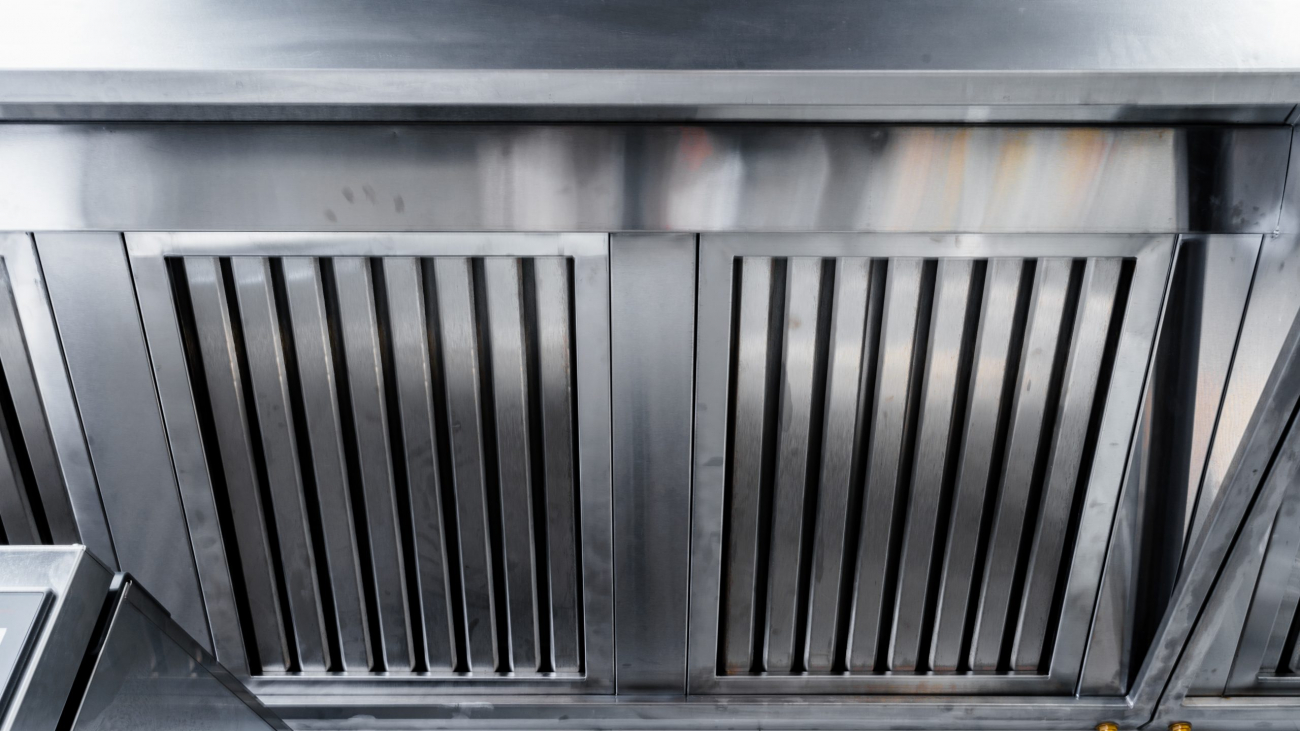
New clean stainless steel hood in professional kitchen close up

Fresh Air Systems: How Proper Maintenance Keeps Your Staff & Customers Safe

When was the last time you checked what’s lurking in your building’s ventilation? In busy workspaces like restaurants, offices, or hospitals, your fresh air system works quietly behind the scenes — but if it’s neglected, dust, bacteria, and allergens build up fast. This can lead to poor air quality, health complaints, and even breach health & safety rules.

If you run a business in the hospitality, care, or retail sectors, you’re responsible for maintaining a safe working environment. That includes the air your team and customers breathe every day. In this post, written by our air duct cleaners in Bristol, we’ll explain why air duct cleaning is so vital, how regular maintenance keeps people safe, and the practical steps you should follow to stay compliant.

Why Fresh Air System Maintenance Matters for Local Businesses

Clean indoor air isn’t just a nice-to-have — it’s a legal and ethical obligation. Maintaining your fresh air systems helps you:

  • Protect Health & Wellbeing: Poor air quality can aggravate allergies, spread bacteria, and contribute to respiratory problems. This is especially true in restaurants, schools, hospitals, and care homes where vulnerable people are present.

  • Stay Compliant with Regulations: UK health & safety guidelines and COVID-era ventilation advice mean your ventilation system must be properly serviced and free of contamination.

  • Avoid Downtime or Complaints: A poorly maintained fresh air system can trigger odour complaints, humidity issues, or staff illness — all of which hurt your reputation and bottom line.

Local buildings, especially older properties or busy commercial kitchens, often have complex ductwork where dust and grease build up. That’s why trusted air duct cleaning companies in Bristol provide essential services. 

How to Maintain Your Fresh Air System: Key Insights

Regular fresh air system maintenance doesn’t need to be complicated. Here’s what every business owner should know:

1. Understand What Needs Cleaning

A professional fresh air system service will include:

  • Internal cleaning of air ducts, filters, and fans

  • Removal of bacteria, mould, dust, and allergens

  • Checks for blocked or damaged parts

  • Confirmation that airflow meets health & safety standards

This goes far beyond a simple filter change — thorough cleaning ensures your entire system works efficiently.

2. Stick to a Clear Schedule

How often should you book air duct cleaning? This depends on your environment:

  • Commercial kitchens & restaurants: Every 6–12 months

  • Hospitals & care homes: Every 3–6 months

  • Offices & retail: Annually, or more often if there’s high footfall

An initial inspection from a certified team will confirm the right frequency for your site.

3. Keep Records for Compliance

Always keep certificates, inspection reports, and before-and-after images. If you’re audited or need to show proof of maintenance, you’ll have everything in one place.

Common Ventilation System Mistakes

Even well-managed sites can overlook their air ducts. Here are mistakes to avoid:

Skipping Professional Cleans: DIY or in-house filter swaps won’t remove hidden dust and bacteria deep inside ductwork.

Neglecting Older Ductwork: Older buildings often have duct runs that are hard to reach without specialist equipment.

No Written Schedule: Without a clear plan, it’s easy to miss regular cleans — and that’s when problems arise.

Not Combining Services: Pairing your air duct cleaning with extraction system maintenance can save time and money.

How KESC Ltd Supports Safe Fresh Air Systems in Bristol

At KESC Ltd, we help Bristol businesses protect staff, customers, and reputation through reliable air duct cleaning and fresh air system maintenance.

Certified Team: Our technicians are fully accredited with BESA, NAAD, and SafeContractor approvals.
Flexible Scheduling: We work overnight or out of hours to minimise disruption to your business.
Full Reports & Photos: You receive detailed before-and-after images and compliance paperwork for your records.
Trusted Locally: From hospitals and schools to coffee shops and care homes, our clients trust us to keep their air safe.

Get in Touch for Commercial Air Duct Cleaning in Bristol

Good air quality means happier staff, healthier customers, and fewer unexpected problems. Whether you run a high-traffic café or manage a large office, regular air duct cleaning makes a real difference.

Ready to protect your staff and stay compliant?