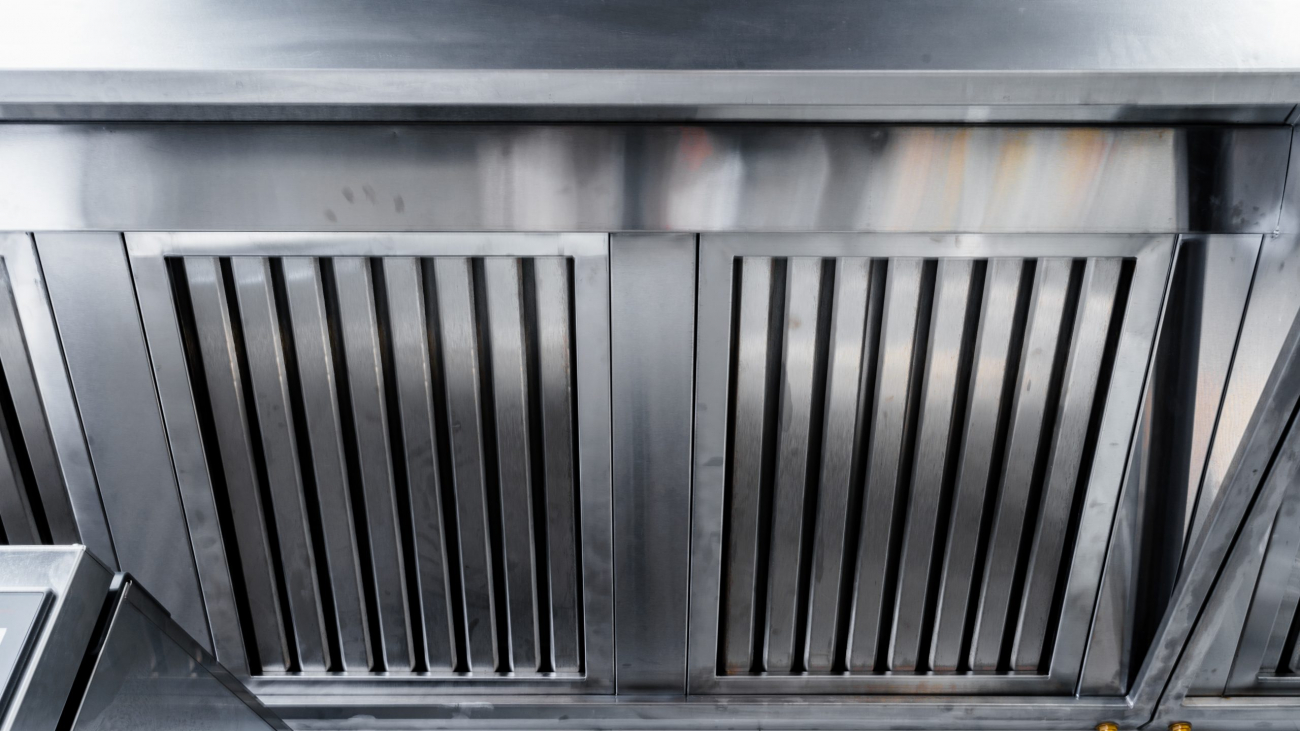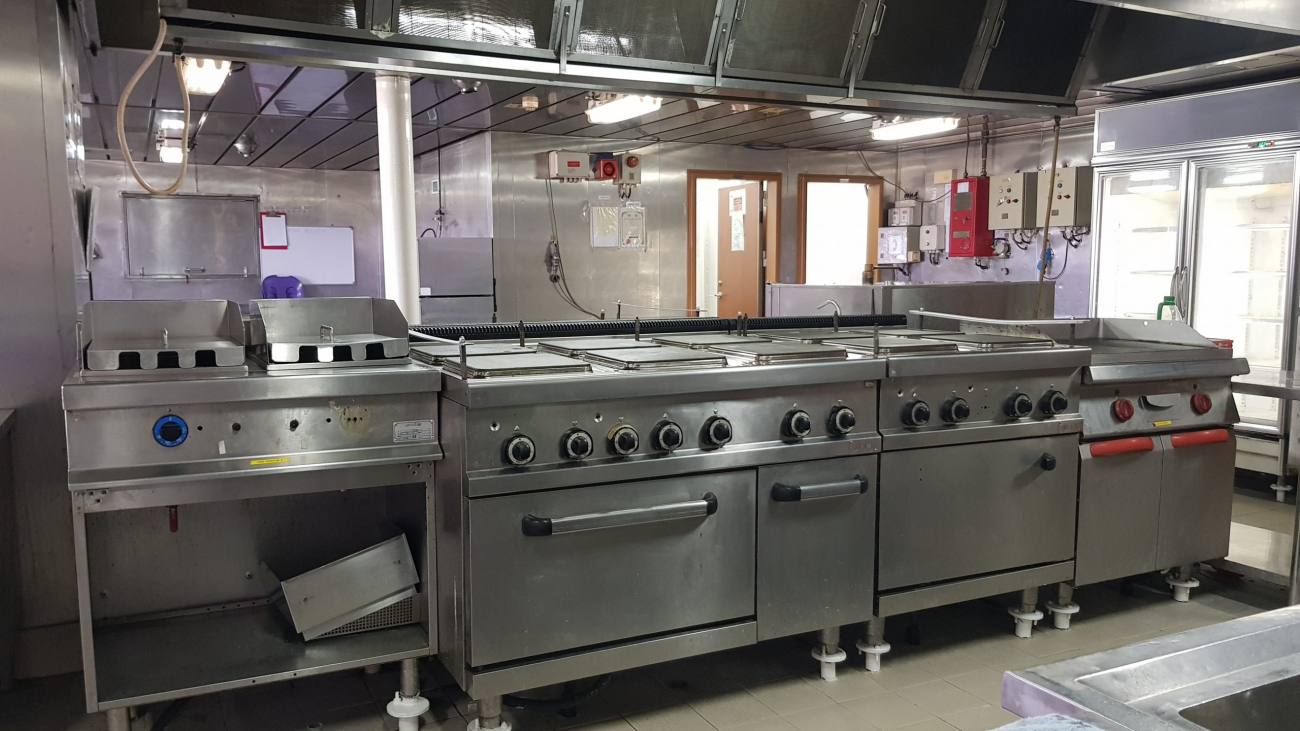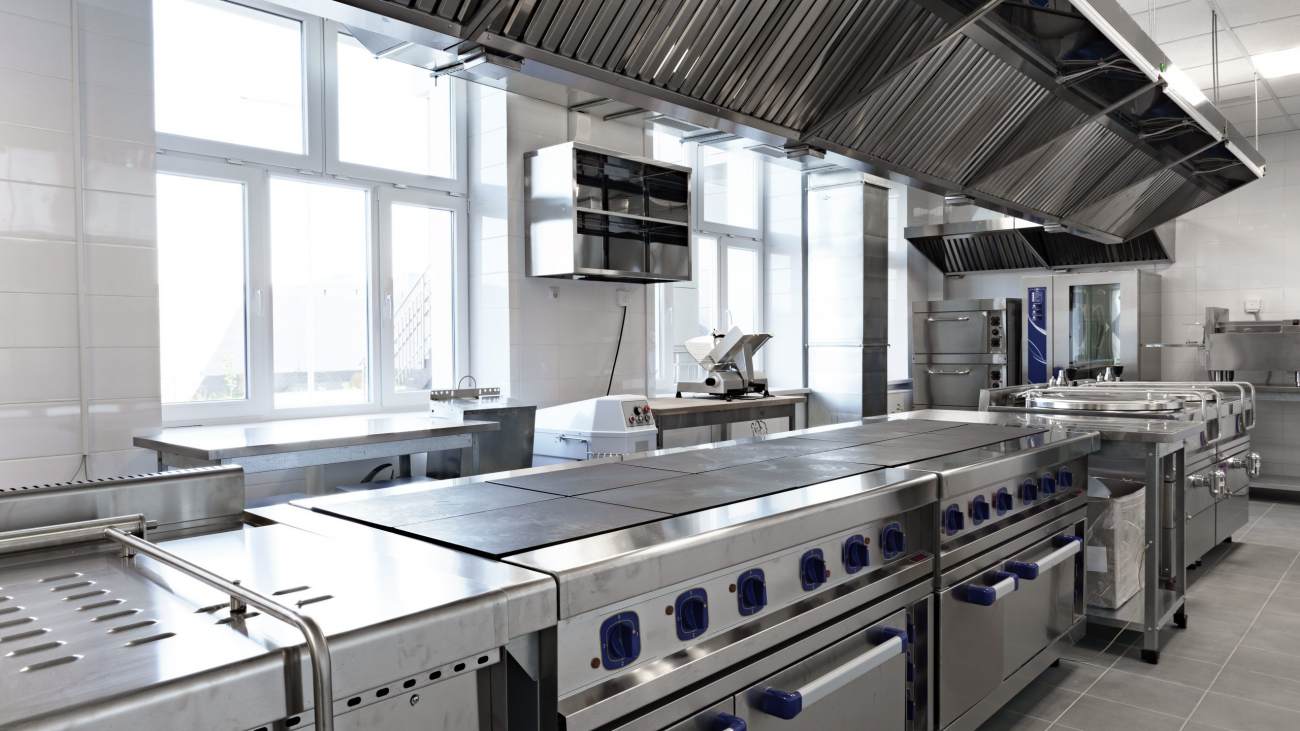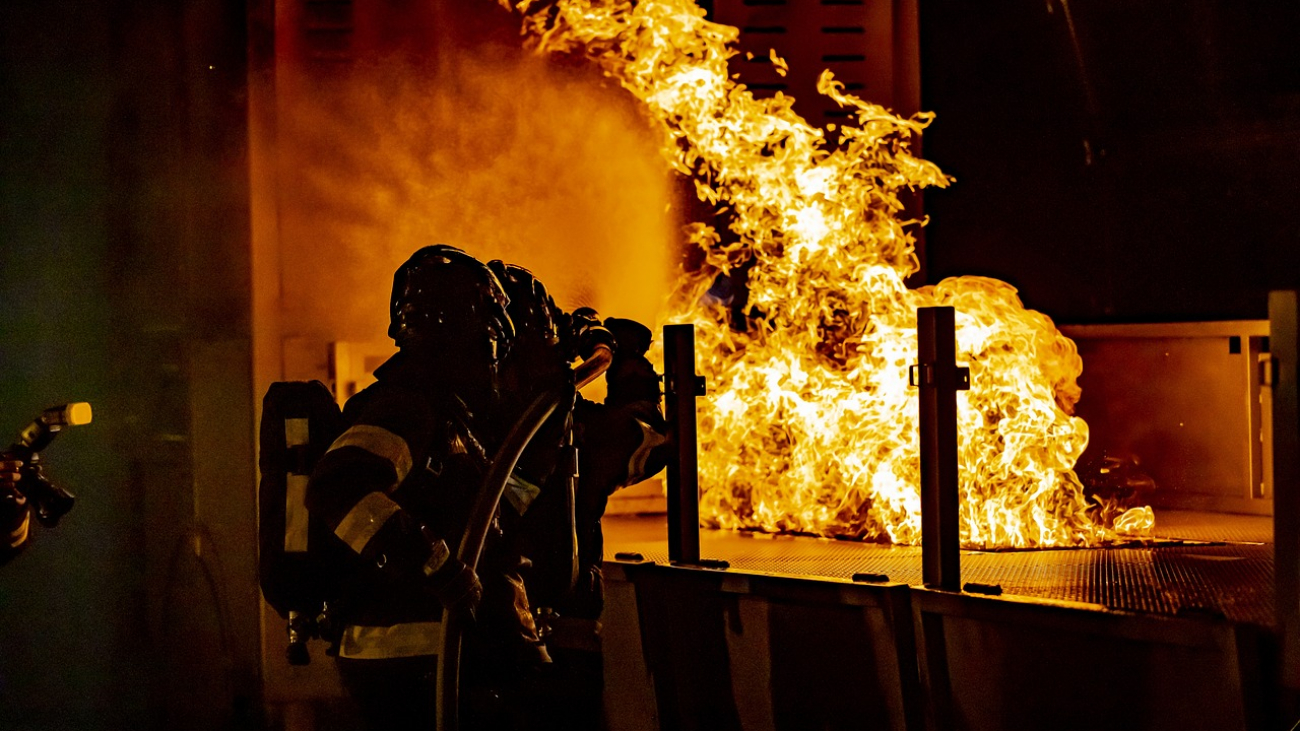
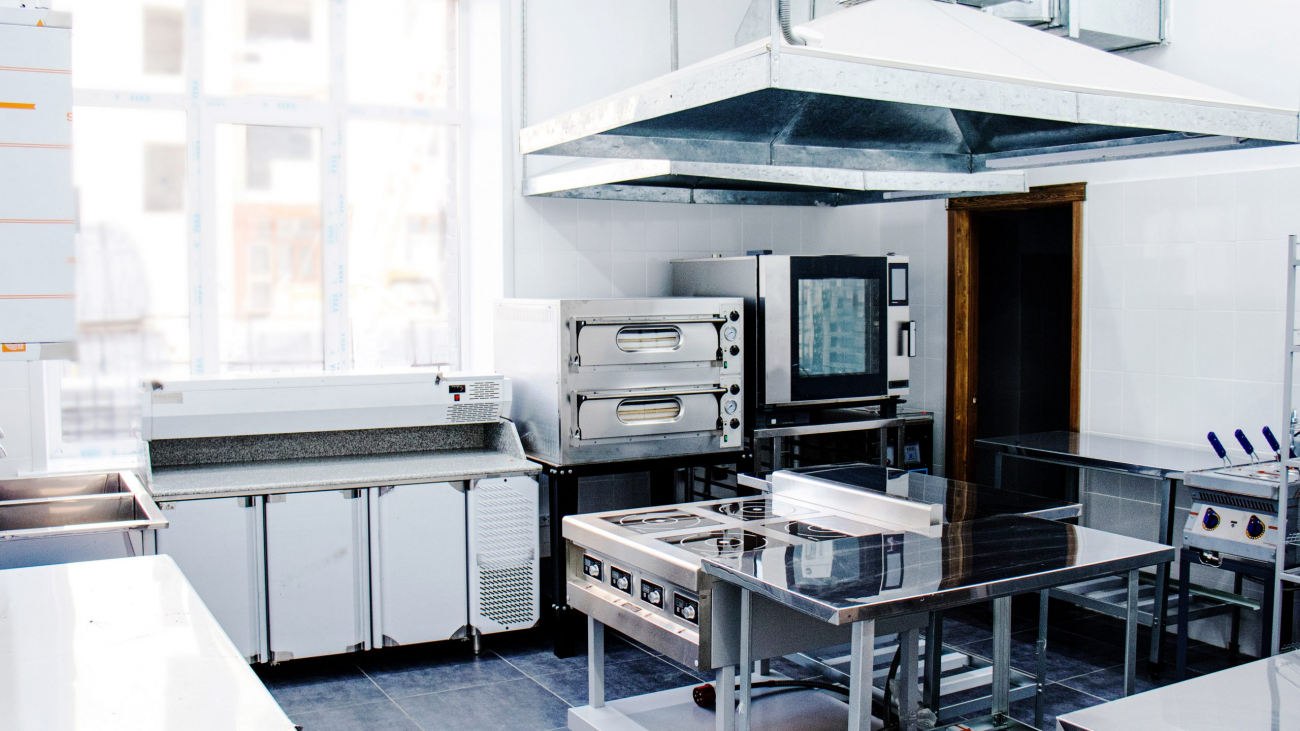
interior kitchen in a cafe or restaurant, professional kitchen equipment and appliances in the kitchen in a cafe,  extractor hood

Top 5 Types of Businesses That Can Benefit from Professional Kitchen Extraction Cleaning

In Bristol’s vibrant food and hospitality sector, kitchens are constantly working at full capacity. From the bustling Harbourside restaurants to the coffee shops of Clifton, every commercial kitchen produces airborne grease, smoke, and odours that need to be safely extracted. Without regular professional kitchen extraction cleaning, these systems become clogged, less efficient, and more dangerous.

Whether you run a small café or manage multiple catering sites, your extraction system is critical to keeping your kitchen safe, compliant, and running smoothly. In this article, we’ll look at the five types of businesses that stand to gain the most from regular professional kitchen extraction cleaning — and why ignoring it can cost far more than it saves.

Top 5 Types of Businesses That Benefit Most

1. Restaurants & Gastropubs

From family-run eateries on Gloucester Road to fine dining in Clifton Village, restaurants are at the top of the list. With long service hours and heavy use of grills, fryers, and ovens, grease build-up happens quickly. Professional extraction cleaning keeps airflow strong, reduces fire hazards, and helps maintain that all-important food hygiene rating.

2. Cafés & Coffee Shops with Food Prep

It’s not just large kitchens that need attention. Independent cafés in areas like Southville and Cotham often use panini presses, ovens, or small fryers. Even limited cooking generates grease particles that settle inside ductwork, especially in older buildings with narrow ventilation systems.

3. Hotels & Event Venues

Hotels with on-site restaurants or conference catering facilities, particularly in central Bristol, often operate multiple kitchen shifts each day. Extraction systems in these environments deal with constant use, meaning grease build-up can reach hazardous levels faster than in standard restaurants.

4. Schools, Colleges & Universities

Education facilities across Bristol, from primary schools to large university campuses, serve hundreds (sometimes thousands) of meals daily. With safety and hygiene standards under close scrutiny, regular extraction cleaning is essential to ensure compliance and protect both staff and pupils.

5. Care Homes & Healthcare Facilities

Care homes and hospital kitchens prepare food for vulnerable people, so air quality and cleanliness are crucial. Extraction cleaning reduces airborne contaminants and helps prevent the spread of bacteria through grease-laden ventilation systems.

Common Mistakes That Put Businesses at Risk

Even well-run kitchens can make errors when it comes to extraction cleaning:

  • Relying on surface cleaning only — Grease deeper in ductwork still poses a fire risk.

  • Using unqualified contractors — Without TR19-compliant cleaning, you may fail insurance or inspection requirements.

  • Inconsistent schedules — Cleaning too infrequently allows grease to build up to dangerous levels.

  • Skipping record keeping — Always keep certificates and before/after photos for compliance.

Why Choose Our Commercial Kitchen Cleaners?

At KESC Ltd, we deliver specialist TR19-compliant kitchen extraction cleaning tailored to the needs of Bristol’s restaurants, cafés, hotels, schools, and healthcare facilities.

Backed by BESA, NAAD, CHAS, and SafeContractor accreditations, we provide detailed reports and photographic evidence after every clean, giving you proof of compliance for inspections and audits. For a comprehensive approach, we can integrate your extraction cleaning with ESP maintenance or ventilation system cleaning, keeping your entire kitchen ventilation network safe, efficient, and inspection-ready.

Our expert team ensures your business:

  • Meets insurance and hygiene requirements with confidence.

  • Minimises fire hazards through complete grease and residue removal.

  • Optimises extraction performance to cut energy costs.

  • Receives flexible, out-of-hours service to avoid disrupting operations.

Book Your Professional Kitchen Extraction Cleaning in Bristol

Protect your staff, customers, and business reputation with expert extraction cleaning from KESC Ltd. Whether you run a single café or a multi-site operation, we’ll keep your kitchen safe, efficient, and inspection-ready.
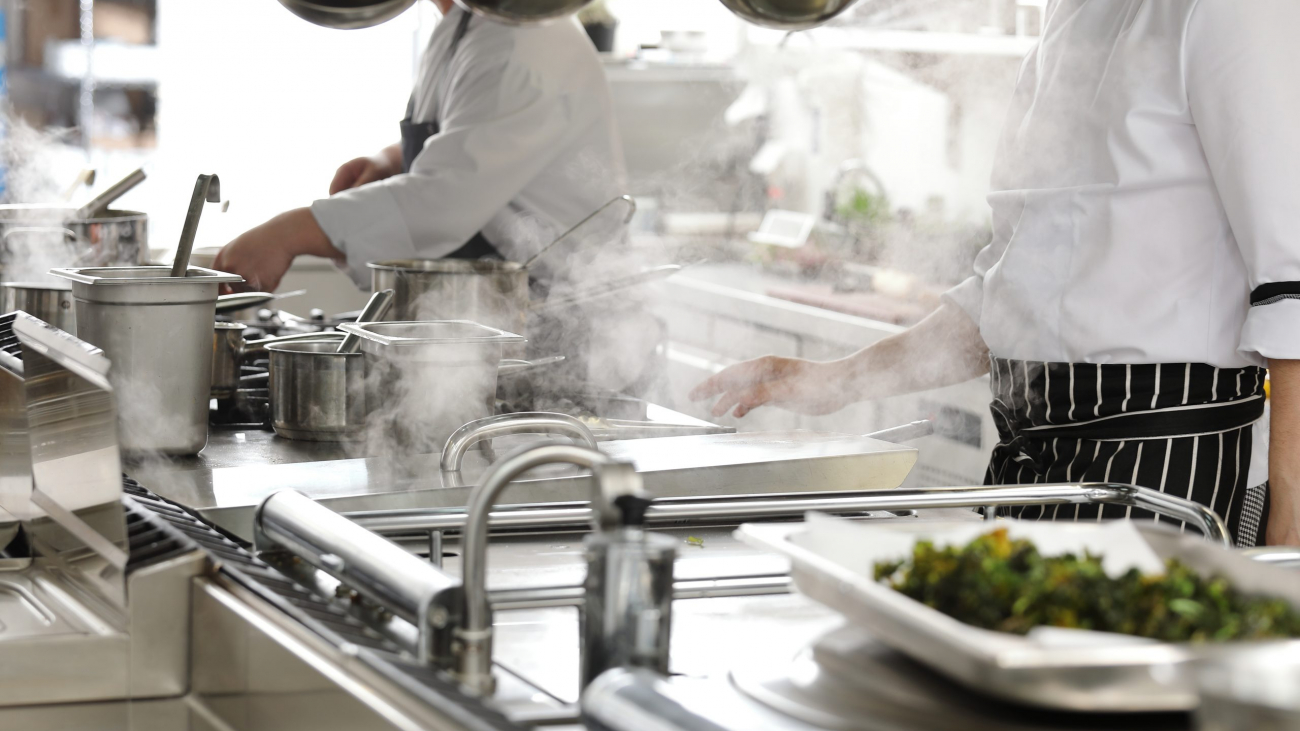
Restaurant kitchen

ESP Maintenance: The Overlooked Service That Can Save Bristol Restaurants Thousands

In Bristol’s fast-moving food scene, restaurant kitchens work around the clock. From morning prep in cafés to late-night service in takeaways, ventilation systems are constantly battling smoke, grease, and heat.

Hidden within many of these systems is a key piece of technology – the Electrostatic Precipitator (ESP). Its job? To trap airborne grease and smoke before they enter your ductwork. But without regular maintenance, this hard-working unit can turn from an asset into a costly liability.

Neglected ESPs make your extraction system work harder, increase energy use, and allow grease to build up — raising the risk of fire and expensive cleaning bills. In this article, we’ll look at why ESP maintenance is critical for Bristol restaurants, what’s involved, and how the right service can protect both your kitchen and your budget.

Why ESP Maintenance Deserves a Place on Every Bristol Restaurant’s To-Do List

Bristol’s hospitality venues face pressures like high-volume service, older buildings with tight duct runs, and ever-stricter hygiene inspections. Here’s why regular ESP servicing is essential:

What Happens During Professional ESP Maintenance

Unlike a simple wipe-down, professional ESP servicing follows a structured process to ensure every part of the system is working efficiently:

Inspection & Performance Check

The technician assesses your ESP unit for visible build-up, airflow restrictions, and any signs of wear or electrical issues.

Safe Component Removal

Collector plates, ionising wires, and other internal parts are removed for cleaning — allowing access to areas where grease collects unnoticed.

Precision Cleaning

Specialist, non-toxic degreasers dissolve hardened deposits without damaging the unit. Each part is cleaned, rinsed, and dried to prevent corrosion.

Drainage & Housing Clean

The housing is cleaned and drain lines are flushed to keep the system clear and functioning smoothly.

Electrical Testing & Calibration

High-voltage components, sensors, and control systems are tested to ensure they’re operating correctly and safely.

Documentation for Compliance

After reassembly, you receive a service report with before-and-after photos — ideal for audit trails and insurance purposes.

Mistakes That Cost Bristol Restaurants Money

Many kitchens miss out on the benefits of ESP maintenance by falling into these traps:

  • Treating the ESP as ‘Fit and Forget’ – Even if it’s working, grease build-up reduces efficiency long before obvious problems appear.

  • Cleaning Only the Exterior – Hidden components hold the most dangerous deposits and need professional attention.

  • Not Aligning ESP Servicing with Extraction Cleaning – Coordinating the two services maximises airflow efficiency and reduces overall costs.

  • Skipping Paperwork – Without service records, you can’t prove compliance during inspections or insurance claims.

Choose KESC Ltd to Keep Your Kitchen Safe, Efficient, and Compliant

At KESC Ltd, we provide specialist ESP servicing for restaurants, cafés, hotels, and catering operations across Bristol. Our approach is designed to:

  • Reduce fire hazards and keep your team safe.

  • Maintain consistent airflow for a comfortable kitchen environment.

  • Lower running costs by improving extraction efficiency.

  • Keep you compliant with TR19 standards and insurance requirements.

We’re accredited by BESA, NAAD, CHAS, and SafeContractor, and we offer flexible, out-of-hours scheduling so your service isn’t disrupted. Pair your ESP maintenance with our kitchen extraction cleaning or ventilation cleaning for complete protection.

Book Your ESP Maintenance in Bristol Today

Our Bristol-based team at KESC Ltd works around your schedule — including evenings and weekends — so there’s no disruption to your service. With full compliance documentation, accredited expertise, and a commitment to quality, we make it easy to stay safe, efficient, and inspection-ready.
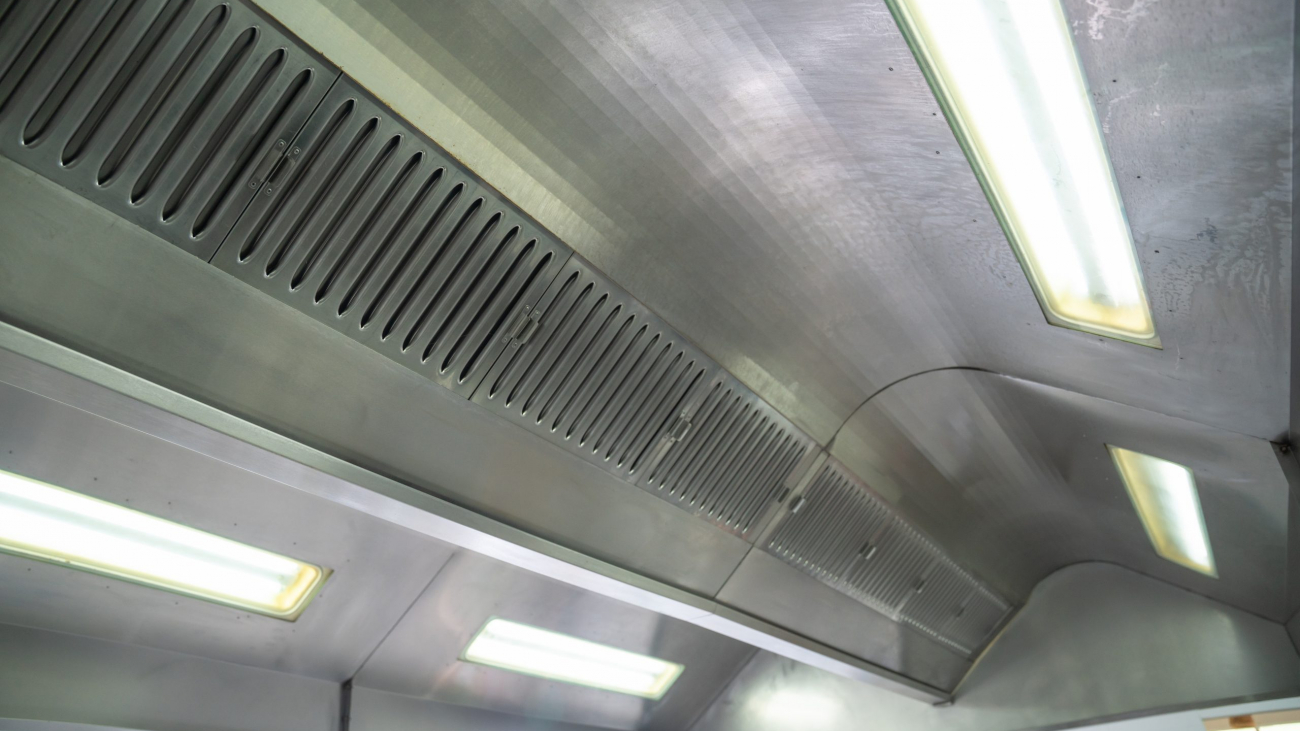
hood in restaurant kitchen of a professional kitchen. Modern kitchen.

Canopy Hood Cleaning for Commercial Kitchens: What Every Restaurant Needs to Know

In any commercial kitchen, the canopy hood is one of the hardest-working — and most neglected — pieces of equipment. Positioned above cooklines, fryers, and grills, it quietly removes steam, smoke, and grease-laden air from your workspace. But over time, that grease builds up, becoming a serious fire hazard and a barrier to clean airflow.

Whether you run a busy café in Bedminster or a restaurant in Clifton, canopy hood cleaning is essential to your kitchen’s safety, hygiene, and performance. Yet many businesses don’t realise how vital regular cleaning is — until something goes wrong.

In this post, we’ll explain:

  • Why canopy hoods matter to fire safety and compliance
  • What’s involved in a professional clean
  • The risks of leaving it too long

Why Canopy Hood Cleaning Matters for Restaurants

A Hidden Risk in High-Grease Environments

In a commercial kitchen, the canopy hood plays a crucial role in removing grease-laden air, smoke, and odours from the cooking line. But with continuous use, it becomes a collection point for grease particles and vapours produced by fryers, grills, ovens, and gas burners.

Over time, these residues accumulate in key areas:

  • Inside the hood and canopy housing
  • On baffle filters and grease trays
  • Within the ventilation ducting that connects to the extractor fan

Without scheduled cleaning, this build-up transforms into a flammable film — invisible to your team during service, but a clear violation during inspections. It’s one of the most common causes of extraction-related kitchen fires and a frequent reason for compliance issues during TR19 audits or Environmental Health Officer visits.


Why Routine Cleaning Makes a Difference

Routine canopy hood cleaning isn’t just about surface appearance — it’s a key part of kitchen risk management. By maintaining clean hood systems, restaurants can:

  • Reduce fire hazards linked to grease ignition
  • Maintain compliance with TR19® and food safety standards
  • Improve ventilation and airflow, keeping working conditions safe and comfortable
  • Avoid costly repairs or equipment failure caused by blocked systems
  • Present a hygienic, professional environment that reflects positively on the business

For restaurants operating in high-output environments, canopy hood cleaning should be a scheduled part of your kitchen maintenance plan, not an afterthought.

What’s Involved in Professional Canopy Hood Cleaning?

Cleaning your canopy isn’t just a quick wipe-down — it’s a multi-stage process that targets all grease-capturing components.

1. Internal & External Canopy Cleaning

Technicians begin by degreasing all exposed surfaces inside and outside the canopy. This includes:

  • Baffle filters
  • Light fittings
  • Surrounding metal surfaces

Non-toxic, food-safe degreasers are used to safely break down built-up oils.


2. Filter Removal & Cleaning

Baffle filters (or mesh filters) are removed, soaked, and scrubbed clean. These are the first line of defence against airborne grease — but also one of the quickest areas to clog.


3. Ventilation Pathway Inspection

Once the canopy is clean, technicians assess the next stage of the system — the ducting and extractor fans — to check for signs of grease carry-through.

If build-up has reached further into the extraction system, a more comprehensive service such as kitchen extraction cleaning may be recommended.


4. Documentation & Compliance

KESC Ltd provides documentation including:

  • Before-and-after photographs
  • Maintenance checklists
  • Recommendations for future cleaning intervals
  • TR19 certification (if extraction cleaning is also carried out)

This evidence is crucial for insurance renewals, fire safety audits, and EHO visits.

Common Questions About Canopy Cleaning

A. No. Filters help trap larger grease particles, but fine vapours still pass through and settle on the interior surfaces of the canopy and into the ducts. Regular filter cleaning is important — but it doesn’t replace full system maintenance.

A. The frequency depends on kitchen usage, but for most full-service or high-turnover kitchens in Bristol, canopy cleaning should be carried out every 1–3 months. Grease levels should be monitored weekly to avoid reaching unsafe thresholds.

A. KESC Ltd provides overnight and weekend canopy cleaning, so your kitchen can operate as normal during trading hours. Cleaning is scheduled at your convenience, with minimal disruption.

Keeping Kitchens Safe, Clean and Compliant with Expert Canopy Hood Cleaning in Bristol

At KESC Ltd, we support commercial kitchens throughout Bristol’s food scene — from independent bistros in Clifton to fast-paced takeaways in Stokes Croft — with reliable, professional canopy hood cleaning tailored to your operational needs.

Our service goes beyond basic cleaning. We deliver a structured hygiene solution that safeguards your kitchen from fire risks, keeps you compliant, and ensures smooth day-to-day operation.

Here’s how we help:

  • Fire-safety-trained technicians with full TR19 knowledge and BESA accreditation
  • Evening, early morning, and weekend appointments to keep your kitchen running
  • Integrated services including ventilation system cleaning and ESP maintenance
  • No hidden fees — including zero charges for emergency callouts
  • Detailed compliance packs with before-and-after photos, cleaning logs, and inspection-ready documentation

Stay Ahead of Grease Build-Up — Not Behind It

Canopy hood cleaning is more than just good housekeeping. It’s fire prevention, compliance assurance, and kitchen efficiency — all in one. In a fast-moving food scene like Bristol’s, where reputation and safety go hand in hand, keeping your canopy clean should never be left to chance.

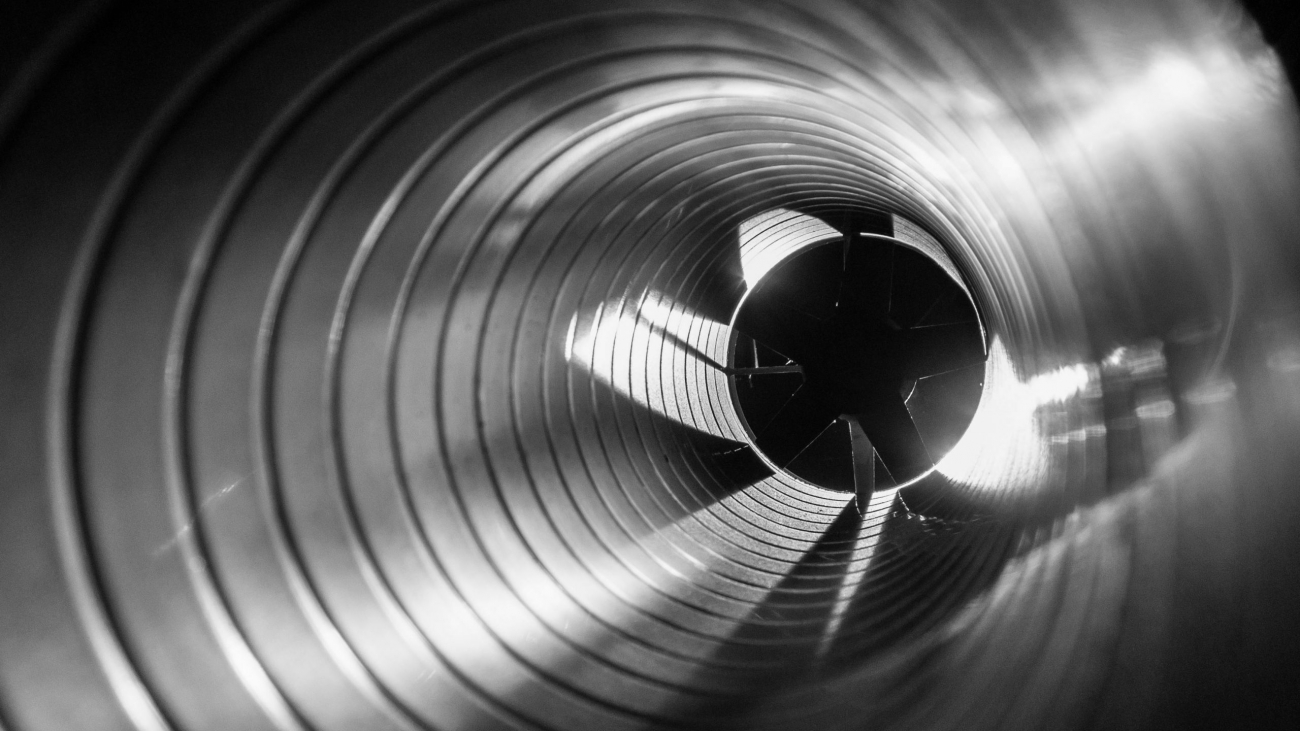
closeup view from inside the galvanized steel air duct on the exhaust fan in the background light, the front and back background is blurred with a bokeh effect

What Happens If You Don’t Clean Your Kitchen Ducting? A Grease Fire Risk Breakdown

It’s easy to overlook what’s happening behind the scenes in a busy commercial kitchen. But if your kitchen ducting hasn’t been professionally cleaned recently, you’re operating with a serious fire risk hanging overhead — literally.

Whether you’re managing a takeaway in Bishopston, a café in Redland, or a restaurant in Clifton, unclean ductwork can compromise your entire operation. This isn’t just about hygiene. It’s about fire safety, insurance compliance, and keeping your kitchen open for business.

In this article, we’ll break down:

  • Why unclean ducting is one of the top causes of kitchen fires

  • The warning signs your system is overdue a clean
  • What professional duct cleaning involves
  • And how KESC Ltd helps Bristol kitchens stay safe and compliant

Why Kitchen Ducting Maintenance Matters for Commercial Kitchens in Bristol

Grease Build-Up Is a Hidden but Major Fire Risk

Every time you use a fryer, grill, or hob, airborne grease and vapour rise into your extraction system. Over time, this coats the internal surfaces of your:

  • Canopy
  • Ductwork
  • Extractor fan
  • Filters and ESP units (if fitted)

If left untreated, this build-up becomes a flammable layer of grease, ready to ignite with the right spark or heat exposure. In fact, more than 70% of commercial kitchen fires in the UK begin in the extraction system.


Local Regulations and Insurers Expect Routine Cleaning

If you’re trading in Bristol, you’re subject to:

  • TR19® hygiene standards set by BESA
  • EHO inspections (especially for food hygiene ratings)
  • Insurance conditions that often require up-to-date cleaning documentation

Failure to clean your ductwork could invalidate your insurance policy — leaving you financially liable in the event of a fire.


Kitchen Closures and Staff Safety at Risk

Beyond regulatory pressure, there’s the direct impact on your day-to-day:

  • Poor airflow leads to uncomfortable working conditions
  • Increased fan strain shortens equipment lifespan
  • Foul odours can leak into customer areas
  • A single fire or failed inspection can shut your kitchen down

The Risks of Ignoring Kitchen Duct Cleaning: A Closer Look

1. Increased Fire Hazard

Grease is highly combustible. When ductwork is coated, all it takes is a heat spike or spark from equipment to start a fire. These fires spread fast and are often hidden until it’s too late.

Real-world context: Several high-profile fires in UK restaurants over the past five years have been traced back to grease-laden extraction systems.


2. Inspection Failures

Environmental Health Officers (EHOs) check ventilation systems during routine inspections. If your ducting is visibly dirty or you can’t produce TR19 documentation, you’re at risk of:

  • Downgraded food hygiene ratings
  • Formal warnings or closure notices
  • Required re-inspections (often at a cost)


3. Insurance Claim Rejections

Most commercial kitchen insurance policies require proof of TR19-compliant cleaning at recommended intervals. If a fire occurs and your ducts haven’t been cleaned — or you lack documentation — your insurer may refuse to pay out.


4. Operational Disruption

Blocked or dirty ductwork leads to:

  • Decreased extraction performance
  • Overworked fans (causing breakdowns)
  • Unpleasant odours and reduced air quality
  • More frequent complaints from staff and customers

FAQs About Kitchen Duct Cleaning

A. It depends on your kitchen usage. Under TR19 guidelines:

  • Heavy use (12+ hours/day) – every 3 months
  • Moderate use (6–12 hours/day) – every 6 months
  • Light use (2–6 hours/day) – every 12 months

Most fast food chains and high-turnover kitchens in Bristol fall into the 3-month bracket.

A. No – not effectively or compliantly. TR19 requires professional cleaning with access panels, photographic evidence, and certified technicians.

A. Compared to the cost of a fire, failed inspection, or invalidated insurance? No. Most clients find regular cleaning extends equipment lifespan and prevents more expensive repairs down the line.

How KESC Ltd Keeps Kitchens Fire-Safe and Compliant

At KESC Ltd, we specialise in professional kitchen extraction and duct cleaning for restaurants, takeaways, cafés, schools, and care facilities across Bristol and Greater London.

Here’s what you can expect when you choose us:

  • Certified TR19-compliant cleaning carried out by trained technicians
  • Full before-and-after documentation for insurance and inspection purposes
  • Out-of-hours cleaning to minimise disruption to your trading hours
  • No emergency callout fees, even when urgent help is needed
  • Optional services including ESP maintenance and ventilation system cleaning

Protect Your Staff, Customers, and Business

Unclean kitchen ducting isn’t just a minor maintenance issue — it’s a hidden liability with serious consequences. The longer it’s left, the more dangerous it becomes.

Whether you’re managing a busy takeaway, a school canteen, or a full-service restaurant in Bristol, make sure you’re protected with routine, certified extraction cleaning.

New clean stainless steel hood in professional kitchen close up

Why Fast Food Chains in Bristol Need Quarterly Extraction Cleaning

Running a fast food business in Bristol? You already know speed and efficiency drive your success — but how often do you think about what’s happening above your fryers and grills?

In commercial fast food kitchens, airborne grease, steam, and smoke don’t just vanish — they’re funnelled through your extraction system. And over time, that system becomes a hazard.

Quarterly extraction cleaning isn’t just a tick-box task — it’s a safety essential. Whether you’re running a fried chicken spot in St Pauls or a burger chain in Bedminster, failing to clean your system regularly could leave you exposed to fire risks, fines, and shutdowns.

In this post, we’ll explain:

  • Why quarterly cleaning matters specifically for fast food operations
  • What can happen if you leave it too long
  • And how a proactive approach keeps your business safe, open, and fully compliant

The Reality of Fast Food Extraction Systems in a City Like Bristol

Fast Turnaround = Fast Grease Buildup

Bristol’s fast food venues operate in tight spaces, often in older properties with outdated ventilation routes. Combine that with high-volume cooking — from deep fryers to chargrills — and you’ve got the perfect recipe for rapid grease accumulation.

Unlike traditional restaurants, fast food kitchens often operate non-stop:

  • No long service breaks
  • No downtime between shifts
  • Minimal time for deep cleaning

This means grease, oil vapour, and carbon particles build up three to four times faster than in lower-output kitchens.

What's At Stake?

Left unchecked, this buildup doesn’t just sit harmlessly in the ductwork. It becomes a:

  • Major fire risk
  • Cause of poor airflow and overheating
  • Red flag for environmental health officers
  • Compliance failure under TR19 guidelines

And in a city where competition is fierce and hygiene ratings are public-facing, a failed inspection can do more than shut you down — it can sink your reputation.

What’s Actually Included in Quarterly Extraction Cleaning?

You’re not just paying someone to wipe down the hood. A proper clean reaches areas your daily cleaning regime can’t.


1. Grease Extraction at Every Level

Your canopy, ductwork, extractor fans, and other components are stripped of sticky, hardened grease. Bristol kitchens often have complex duct layouts — especially in converted retail spaces — which means manual access and professional equipment are needed.


2. TR19-Compliant Documentation

After each clean, you receive a full compliance report — including:

  • Before/after images
  • Access notes
  • Any recommendations
  • Certificates for insurance and health inspectors

This is especially crucial for franchises and group chains with multi-site auditing requirements.


3. Performance Protection

A well-maintained extraction system doesn’t just prevent disasters – it also keeps your:

  • Airflow consistent
  • Staff working in comfortable conditions
  • Energy usage down (because the fan isn’t straining through blockages)

But We Clean Our Filters Weekly — Isn’t That Enough?

This is one of the most common misconceptions.

Yes, you should clean your grease filters frequently.
But they only catch surface-level grime.

The real danger lies in what you can’t see:

  • Inside the ducting that snakes through your ceiling
  • Within the motor housing of your extraction fan
  • Around bends, joints, and sealed flues where grease accumulates silently

Quarterly professional cleaning ensures you’re not relying on guesswork — or waiting for an emergency to tell you something’s wrong.

Fast Food Chains That Should Prioritise Quarterly Cleaning

Bristol’s food scene is as diverse as its neighbourhoods. Here’s who benefits most:

  • Fried chicken shops in Easton, Lawrence Hill, or Southmead
  • Late-night kebab and grill takeaways in the city centre or Gloucester Road
  • Quick-service burger franchises in retail parks or student areas
  • High-footfall vendors in shopping centres like Cabot Circus

If your kitchen sees daily oil use, high heat, or continuous service hours — you need quarterly extraction cleaning. It’s not optional — it’s essential risk management.

Why Fast Food Operators in Bristol Trust KESC

At KESC Ltd, we’ve been supporting fast food chains across Bristol with reliable, fully compliant extraction cleaning for over a decade. We understand the fast-paced nature of your business — from tight margins and high staff turnover to strict regulatory demands and limited downtime.

That’s why we offer a simple, efficient solution tailored to your needs. Our flexible quarterly cleaning plans are designed to fit around your operations, with out-of-hours and overnight scheduling to avoid disruption. Every clean is TR19-compliant and comes with full documentation for insurance and audit purposes.

Get Ahead of Risk - Not Caught by It

If you run a fast food kitchen in Bristol and haven’t booked your quarterly extraction clean, now is the time. You can’t afford to gamble with staff safety, hygiene ratings, insurance cover, and customer comfort.

Talk to us about setting up a simple, cost-effective maintenance schedule that protects your kitchen 365 days a year.

Commercial Kitchen

How Clean Extraction Systems Improve Kitchen Air Quality

Ever walked into a kitchen and been hit by a wall of stale grease and smoke? If you manage a commercial kitchen, chances are you’ve experienced it — or worse, heard complaints from staff or Environmental Health Officers. Poor indoor air quality doesn’t just make for an uncomfortable environment. It can impact staff health, violate compliance standards, and lead to expensive equipment failure.

For restaurants, cafés, schools, care homes, and hospitality venues, maintaining clean kitchen extraction systems is critical for air quality and operational safety. In this blog, we’ll explore why this matters, how extraction cleaning works, and how it can protect your business.

Why Air Quality in Commercial Kitchens Matters

Hidden Risks in the Air

Whether you’re running a gastropub in Clifton or a takeaway in Easton, your extraction system is the frontline defence against airborne grease, smoke, and odours. Without regular cleaning, ductwork and extractor fans accumulate layers of grease and carbon particles — leading to:

  • Reduced airflow and oxygen levels in the kitchen
  • A build-up of airborne pollutants
  • Unpleasant odours that travel into customer-facing areas
  • Increased fire risk

.

Health Impacts on Staff

Poor air quality doesn’t just smell bad — it can seriously affect staff wellbeing. Prolonged exposure to grease-laden air contributes to:

  • Respiratory issues like asthma or bronchiti
  • Headaches and fatigue from poor ventilation
  • Eye, nose, and throat irritation

In high-use environments like schools or hospitals, this can also affect vulnerable individuals near the kitchen.

Here’s what we see time and time again when inspecting commercial kitchens across Bristol — plus what you can do to get ahead.

Compliance & Inspection Pressure

Local authorities in Bristol and beyond regularly assess ventilation systems as part of routine Environmental Health inspections. If your extraction system is dirty, you risk:

  • Breaches of TR19 hygiene guidelines
  • Low food hygiene ratings
  • Insurance claim rejections in the event of a fire

Regular extraction system cleaning ensures your business meets health and safety requirements — and stays off the watchlist of enforcement officers.

What Happens During Extraction Cleaning? A Step-by-Step Look

1. Canopy & Filter Cleaning

The process begins with the visible parts of your system — hoods and grease filters. These catch large particles but also become the first places for blockages.

2. Ductwork Deep Clean

This is the backbone of your extraction system. Using specialist tools and degreasers, technicians access and clean duct interiors to remove deep-set grease and debris.

3. Extractor Fan Servicing

Fans are disassembled where necessary to clean blades and housings. Any imbalance caused by grease deposits can lead to reduced performance and motor strain.

4. TR19 Certification

For full compliance, you’ll receive a TR19 report with:

  • Before-and-after images
  • Detailed service notes
  • Recommendations for future cleaning

This certification is often required by insurers and health authorities.

Over 70% of kitchen fires start in extraction systems due to grease build-up.

Need more detail on our kitchen extraction cleaning services? Discover what’s included and why it’s vital for TR19 compliance.

Common Misconceptions About Kitchen Ventilation & Air Quality

“If the air smells okay, it must be fine.”

Not necessarily. Grease and carbon can still be present even if odours are faint. Air monitoring and visual inspections aren’t always reliable without a professional clean.

“We clean our filters regularly, so that’s enough.”

Filters help — but they only trap a portion of contaminants. The real danger lies inside your ductwork and fan systems.

“We just had an inspection, so we’re good for another year.”

Usage matters more than time. High-volume kitchens may need cleaning every 3 months, especially if fryers and grills are used daily.

Tip: Keep a visible cleaning schedule and log to show inspectors that you’re proactive about maintenance.

How KESC Ltd Improves Kitchen Air Quality in Bristol

At KESC Ltd, we specialise in helping businesses across Bristol breathe easier — literally. Our TR19-compliant kitchen extraction cleaning is designed to improve air quality, reduce fire risk, and help you stay fully compliant with local regulations.

Get in Touch for Expert Extraction Cleaning in Bristol

Don’t leave your kitchen’s air quality to chance. Whether you’re running a busy restaurant in Clifton, managing a care home, or overseeing school facilities — clean air starts with a clean extraction system.

Speak to our Bristol-based team today to arrange your free site visit, get expert advice, or book your next clean.

closeup view from inside the galvanized steel air duct on the exhaust fan in the background light, the front and back background is blurred with a bokeh effect

5 Common Compliance Mistakes Bristol Hospitality Venues Make with Kitchen Ventilation

Running a busy kitchen means juggling safety, hygiene, and regulations all at once. But did you know poor ventilation compliance is one of the top reasons restaurants and cafés fail surprise inspections?

For hospitality venues, overlooking your kitchen extraction or fresh air systems can lead to fire hazards, insurance headaches, or even forced closures. If you manage a pub, restaurant, or commercial kitchen, spotting these common mistakes — and knowing how to avoid them — could save you thousands.

Below, our Bristol-based ventilation cleaning specialists share the pitfalls to watch for, plus steps to keep your kitchen ventilation cleaning businesses rely on fully compliant.

Why Ventilation Compliance Matters for Commercial Kitchens

For any food venue, clean and efficient ventilation isn’t just about comfort — it’s a legal and insurance requirement.

When your kitchen ventilation isn’t maintained properly:

  • Grease and carbon build up inside ductwork, raising fire risk.

  • Poor airflow affects staff health and kitchen air quality.

  • TR19 and other hygiene standards can’t be met, putting insurance cover at risk.

In Bristol, where we are based, many hospitality buildings are older or have tight duct runs that make thorough cleaning more challenging. That’s why trusted professional kitchen ventilation cleaning is so important to stay compliant.

5 Common Kitchen Ventilation Compliance Mistakes

Here’s what we see time and time again when inspecting commercial kitchens across Bristol — plus what you can do to get ahead.

1. Relying on Surface Cleans Only

Wiping down your extractor hoods and visible surfaces is not enough. Deep grease deposits inside ductwork are hidden fire hazards. TR19 compliance requires professional cleaning of canopies, ductwork, extractor fans and filters — with access panels installed where needed.

2. Skipping Regular Cleaning Intervals

TR19 sets clear guidelines for how often you should clean your extraction system:

  • Heavy use (12–16 hours daily): Every 3 months

  • Moderate use (6–12 hours): Every 6 months

  • Light use (2–6 hours): Annually

Missing these intervals could void insurance if a fire breaks out.

3. No Certified Documentation

Insurance providers often ask for proof your system is compliant. Without certificates, before-and-after photos, or inspection reports, you have no defence if an incident occurs. Always keep your TR19 certificates up to date and filed.

4. Overlooking Fresh Air Systems

Many hospitality managers focus only on grease extraction, forgetting that fresh air systems matter too. Poor air duct hygiene means bacteria, dust and allergens can circulate — leading to health complaints and poor indoor air quality.

5. Using Unqualified Contractors

Not every cleaning company is TR19-compliant or properly accredited. Always choose a provider with industry accreditations like BESA, NAAD, and SafeContractor to ensure the job meets the right standards.

How KESC Ltd Helps Bristol Hospitality Venues Stay Compliant

At KESC Ltd, we specialise in kitchen extraction and air duct cleaning in Bristol. From small cafés to large commercial kitchens, here’s how we keep you covered:

Certified & Accredited: BESA, NAAD, CHAS, SafeContractor — our team knows TR19 inside and out.
Flexible Scheduling: We work around your operating hours, overnight or weekends, with no extra charge for emergencies.
Full Compliance Reporting: You’ll receive detailed before-and-after images, TR19 certificates, and paperwork for your insurance records.
Complete Services: From extraction cleaning and ESP maintenance to fire damper testing, we help you stay compliant from canopy to duct.

Stay Fire-Safe and Fully Compliant with Our Kitchen Ventilation Cleaning Services

Avoiding these common mistakes isn’t complicated — but it does take expert help and a clear plan. With the right team on your side, you can run your kitchen confidently knowing you meet every standard.

Ready to protect your people, your premises, and your reputation?

This spacious kitchen features stainless steel counters and equipment, providing a professional environment for chefs to prepare meals efficiently and effectively.

TR19 Explained: What Bristol Restaurants Need to Know About Kitchen Extraction Compliance

Grease can be your kitchen’s biggest hidden danger. In busy commercial kitchens, extraction systems quickly collect grease, dirt, and debris — which, if left unchecked, pose a major fire risk. Yet many restaurant owners don’t fully understand the rules around kitchen extraction cleaning in order to stay safe and insured. 

This guide breaks down what TR19 means, why it matters for your restaurant, and how proper cleaning keeps you compliant, protected, and operating without costly surprises.

What is TR19 Compliance? Why Does it Matter for Restaurants?

TR19 is a recognised set of industry guidelines created to standardise how commercial kitchen ductwork and extraction systems are cleaned. But it’s not just a technical detail — it directly impacts your fire safety, insurance, and reputation.

For restaurant owners in Bristol, TR19 matters because:

  • Fire Risks Are Real: It’s estimated that over 70% of fires in commercial kitchens start due to grease build-up in extraction systems.

  • Insurance Protection: Many insurers require proof that your extraction systems are TR19 compliant. Without it, a claim could be denied if a fire occurs.

  • Health & Safety Inspections: Environmental Health Officers will check that you’ve maintained your ductwork properly. Non-compliance can lead to fines, closures, or loss of business licences.

Restaurants in older or high-use buildings often have long, hidden ductwork runs — making professional kitchen extraction cleaning even more critical.

TR19 Kitchen Extraction Cleaning: A Simple Breakdown

Staying TR19 compliant isn’t complicated once you know what’s required. Here’s what every local food business should do:

1. Know How Often to Clean

TR19 sets cleaning frequencies based on how much your kitchen is used:

  • Heavy Use (12–16 hours daily): Every 3 months

  • Moderate Use (6–12 hours daily): Every 6 months

  • Light Use (2–6 hours daily): Annually

A local takeaway open until late every night will need more frequent cleans than a small café open three mornings a week.

2. Book Professional Ductwork Cleaning

Wiping visible surfaces won’t do. TR19 requires certified specialists to clean:

  • Canopies, grease filters and hoods

  • Internal ductwork and access panels

  • Extractor fans and discharge points

A professional team uses specialist equipment to reach deep into ducts, removing dangerous grease deposits. They’ll provide a TR19 certificate and detailed report for your insurance records.

3. Keep Records and Stay Ahead

Proof is everything. Keep every report, before-and-after image, and certificate in an easy-to-access file. Schedule your next clean well in advance so you’re never caught out by a surprise inspection.

Common Mistakes to Avoid

Even well-run restaurants slip up on TR19. Here are the pitfalls to dodge:

Surface Cleans Only: Only cleaning what you can see leaves hidden grease lurking in ductwork.

Unqualified Contractors: Always check that your cleaning company is BESA, NAAD, or CHAS accredited.

Missing Access Panels: If your system doesn’t have proper access points, it can’t be cleaned fully.

No Records: No certificate, no proof — and that can mean no insurance payout in a worst-case scenario.

How Our Kitchen Extraction Cleaners Can Support You

At KESC Ltd, we specialise in kitchen extraction cleaning that Bristol restaurants, cafés, schools and hotels rely on. Here’s what you get:

  • Certified Experts: Our team is BESA, NAAD, and CHAS accredited for complete peace of mind.
  • Flexible Hours: We clean overnight or out of hours to minimise disruption.
  • Full Reports: You’ll receive detailed before-and-after photos, certificates, and compliance paperwork for your records.
  • Trusted Locally: As a family-run business based here, we know the unique challenges of local kitchens and older ductwork.

Keep Your Kitchen Safe, Compliant, and Open for Business

Understanding TR19 is the first step. Acting on it protects your people, your customers, and your reputation — and ensures you won’t face nasty surprises when your next inspection or insurance renewal comes up. Get in touch with our team today for professional kitchen extraction cleaning in Bristol. 

Ready to book your certified clean?

New clean stainless steel hood in professional kitchen close up

Fresh Air Systems: How Proper Maintenance Keeps Your Staff & Customers Safe

When was the last time you checked what’s lurking in your building’s ventilation? In busy workspaces like restaurants, offices, or hospitals, your fresh air system works quietly behind the scenes — but if it’s neglected, dust, bacteria, and allergens build up fast. This can lead to poor air quality, health complaints, and even breach health & safety rules.

If you run a business in the hospitality, care, or retail sectors, you’re responsible for maintaining a safe working environment. That includes the air your team and customers breathe every day. In this post, written by our air duct cleaners in Bristol, we’ll explain why air duct cleaning is so vital, how regular maintenance keeps people safe, and the practical steps you should follow to stay compliant.

Why Fresh Air System Maintenance Matters for Local Businesses

Clean indoor air isn’t just a nice-to-have — it’s a legal and ethical obligation. Maintaining your fresh air systems helps you:

  • Protect Health & Wellbeing: Poor air quality can aggravate allergies, spread bacteria, and contribute to respiratory problems. This is especially true in restaurants, schools, hospitals, and care homes where vulnerable people are present.

  • Stay Compliant with Regulations: UK health & safety guidelines and COVID-era ventilation advice mean your ventilation system must be properly serviced and free of contamination.

  • Avoid Downtime or Complaints: A poorly maintained fresh air system can trigger odour complaints, humidity issues, or staff illness — all of which hurt your reputation and bottom line.

Local buildings, especially older properties or busy commercial kitchens, often have complex ductwork where dust and grease build up. That’s why trusted air duct cleaning companies in Bristol provide essential services. 

How to Maintain Your Fresh Air System: Key Insights

Regular fresh air system maintenance doesn’t need to be complicated. Here’s what every business owner should know:

1. Understand What Needs Cleaning

A professional fresh air system service will include:

  • Internal cleaning of air ducts, filters, and fans

  • Removal of bacteria, mould, dust, and allergens

  • Checks for blocked or damaged parts

  • Confirmation that airflow meets health & safety standards

This goes far beyond a simple filter change — thorough cleaning ensures your entire system works efficiently.

2. Stick to a Clear Schedule

How often should you book air duct cleaning? This depends on your environment:

  • Commercial kitchens & restaurants: Every 6–12 months

  • Hospitals & care homes: Every 3–6 months

  • Offices & retail: Annually, or more often if there’s high footfall

An initial inspection from a certified team will confirm the right frequency for your site.

3. Keep Records for Compliance

Always keep certificates, inspection reports, and before-and-after images. If you’re audited or need to show proof of maintenance, you’ll have everything in one place.

Common Ventilation System Mistakes

Even well-managed sites can overlook their air ducts. Here are mistakes to avoid:

Skipping Professional Cleans: DIY or in-house filter swaps won’t remove hidden dust and bacteria deep inside ductwork.

Neglecting Older Ductwork: Older buildings often have duct runs that are hard to reach without specialist equipment.

No Written Schedule: Without a clear plan, it’s easy to miss regular cleans — and that’s when problems arise.

Not Combining Services: Pairing your air duct cleaning with extraction system maintenance can save time and money.

How KESC Ltd Supports Safe Fresh Air Systems in Bristol

At KESC Ltd, we help Bristol businesses protect staff, customers, and reputation through reliable air duct cleaning and fresh air system maintenance.

Certified Team: Our technicians are fully accredited with BESA, NAAD, and SafeContractor approvals.
Flexible Scheduling: We work overnight or out of hours to minimise disruption to your business.
Full Reports & Photos: You receive detailed before-and-after images and compliance paperwork for your records.
Trusted Locally: From hospitals and schools to coffee shops and care homes, our clients trust us to keep their air safe.

Get in Touch for Commercial Air Duct Cleaning in Bristol

Good air quality means happier staff, healthier customers, and fewer unexpected problems. Whether you run a high-traffic café or manage a large office, regular air duct cleaning makes a real difference.

Ready to protect your staff and stay compliant?

The Vital Role of Kitchen Extraction Cleaning in Fire Prevention

The Vital Role of Kitchen Extraction Cleaning in Fire Prevention

In the dynamic landscape of commercial kitchens across the UK, the significance of meticulous cleaning extends far beyond aesthetics—it is a critical component in safeguarding against the devastating consequences of fire. Nowhere is this more evident than in the maintenance of kitchen extraction systems, which serve as the first line of defense against potentially catastrophic incidents.

Understanding the Risk:

According to data from the UK Fire and Rescue Service, a considerable portion of fires in commercial kitchens originate from grease buildup within extraction systems. The accumulation of flammable residues, if left unchecked, significantly heightens the risk of ignition, leading to rapid and uncontrollable flames that can endanger lives and livelihoods alike.

The Imperative of Regular Cleaning:

The importance of regular cleaning and maintenance of kitchen extraction systems cannot be overstated. By removing grease, carbon deposits, and other combustible substances, cleaning procedures ensure unimpeded airflow and mitigate the likelihood of fire propagation within ductwork and ventilation hoods. This proactive approach not only enhances fire safety but also extends the lifespan of equipment and promotes optimal kitchen hygiene.

Statistical Insights:

Empirical evidence from UK fire incident reports underscores the critical nexus between kitchen extraction cleaning and fire prevention:

  • A study conducted by the UK Home Office found that a significant proportion of commercial kitchen fires were attributed to grease buildup in extraction systems, with incidents often resulting in substantial property damage and operational disruptions.
  • Research from the Fire Industry Association (FIA) indicates that regular cleaning and maintenance of kitchen extraction systems can reduce the incidence of fire-related emergencies by up to 50%, significantly mitigating the associated risks to personnel and property.
  • According to data compiled by leading insurance providers, establishments with documented cleaning schedules for kitchen extraction systems are demonstrably less susceptible to severe fire damage, translating into lower insurance premiums and enhanced business continuity.

Conclusion:

In the realm of commercial kitchen operations, proactive measures are paramount in averting potential disasters. By prioritizing the regular cleaning and maintenance of kitchen extraction systems, businesses not only comply with regulatory requirements but also invest in the safety and resilience of their establishments.

In the UK, where stringent fire safety standards are paramount, adherence to best practices in kitchen extraction cleaning is not merely advisable—it is imperative. Through concerted efforts to uphold cleanliness and compliance, businesses can mitigate the risk of fire-related incidents, ensuring the well-being of their staff, patrons, and the broader community. After all, in matters of fire safety, prevention is not just preferable—it is paramount.